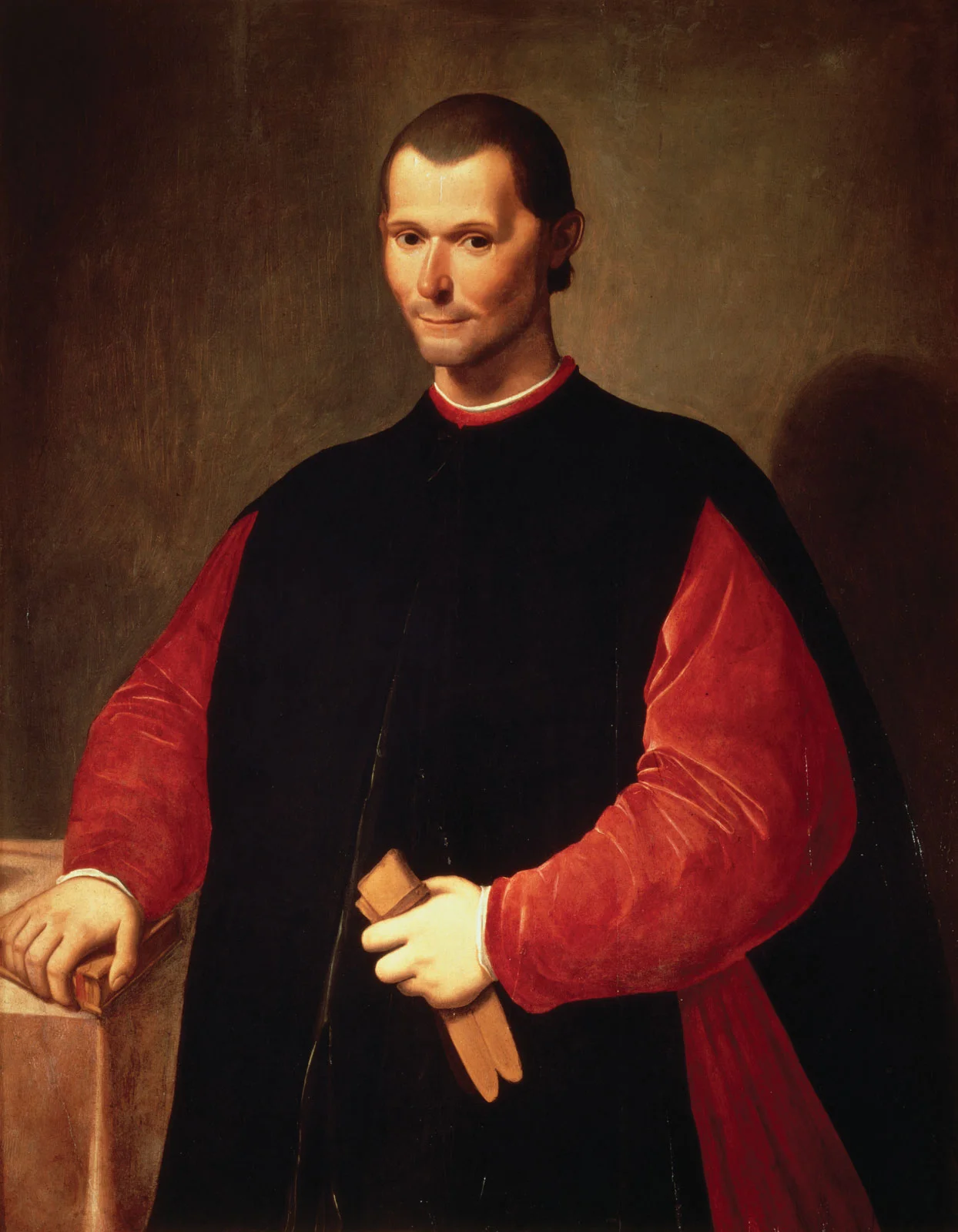
Niccolo Machiavelli wrote The Prince in 1513 as kind of a handbook for rulers. And he built it around how people actually behave. In it he said that a man who wishes to act entirely up to his professions of virtue soon meets with what destroys him among so much that is evil. (Machiavelli ch. 15) Generosity shows how this ends up because a ruler who gives everyone money eventually has to tax his people, and ends up either poor or despised or else in avoiding poverty, rapacious and hated (chapter 16). Machiavelli would rather a leader accept a reputation for being stingy and save his generosity for the spoils he takes from others. On love and fear, he admits a leader should want both, but since the two are hard to combine "it is much safer to be feared than loved" (ch 17). His reasoning is that people are selfish and will drop their love the moment it stops benefiting them, while fear "preserves you by a dread of punishment which never fails" (ch. 17). That fear can never turn into hatred though. The quickest way to be hated is to take people's property "because men more quickly forget the death of their father than the loss of their patrimony" (ch. 17). When punishment is needed, he says to deliver it all at once "so that, being tasted less, they offend less"(ch. 8). Cesare Borgia was his favorite example, since Borgia's cruelty is what brought the region of Romagna back "to peace and loyalty (ch. 17).
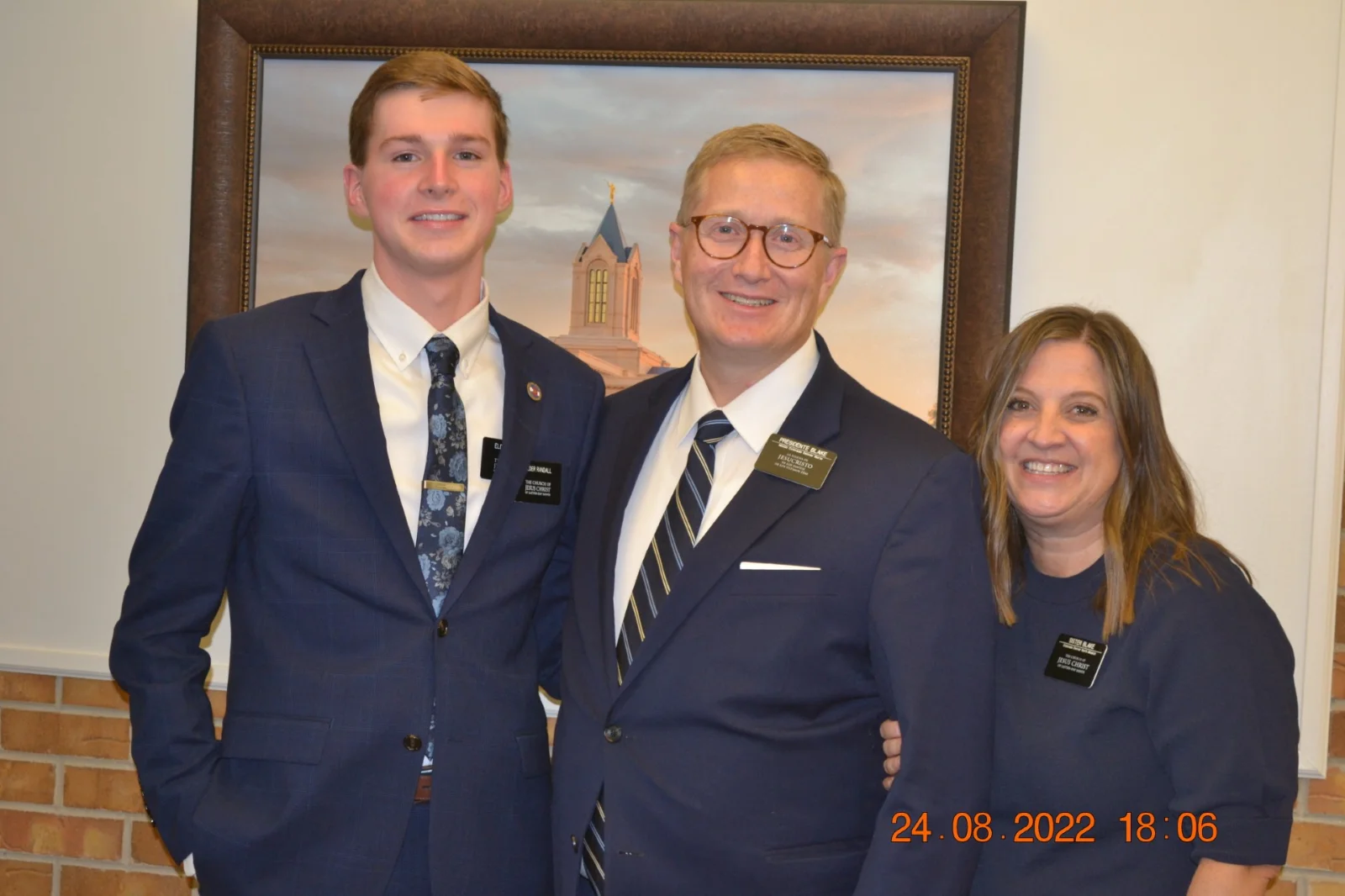
The two leaders who have shaped me the most are my mission president, President Blake, and my current bishop, Bishop Radford. President Blake expected strict obedience. At a zone conference he taught us that when we choose to serve the Lord, we choose Him, and I have thought about that throughout my life. He is a very visionary man, and now that he is also my boss I see the same high expectations and consistency in a professional setting. The Downside of his strict style was that it could feel like a negative thing to struggling missionaries, and a few of them seemed to obey more out of fear than out of their own testimony. Bishop Radford leads different, and serving as a counselor this year has let me learn from him too. In bishopric meetings he asks for our input and we always feel like a part of the decision making process. His patience makes people feel safe coming to him. it can also mean that some problems take longer to resolve than they would under a firmer hand. While one of my leaders set his expectations and his tone by using high standards and the other by using patience and love, Both earned a commitment to them that was never based on a fear of punishment.
President Blake showed the part of Machiavelli that holds up, which is that the standards applied the same way every time keep a group steady and focused. Bishop Radford lives out the generosity Machiavelli warned against, since he gives so much of his own time that it stretches him, yet that generosity has only made the ward trust him more. Both of them proved Machiavelli wrong on his main point, because the loyalty they had came from love, and it has held up in ways Machiavelli said love never could. I felt President Blake's style was the most effective for me because he joined the firmness Machiavelli admired with the love Machiavelli didn't trust. The Lord describes this same balance when He tells leaders to lead "by persuasion, by long-suffering, by gentleness and meekness, and by love unfeigned," reproving "betimes with sharpness" and then "showing forth afterwards an increase of love"(Doctrine and Covenants 121:41, 43). Machiavelli also wanted a leader to correct and avoid being hated, but his goal was keeping power, while the Lord's goal is the good of the person being corrected. As my wife and I prepare to start a family I want to set good standards in our home like President Blake while being as patient and approachable as Bishop Radford. In my calling and at work, I want to correct people quickly and privately when it is needed, then make sure they know I am still on their side. Machiavelli thought a leader had to choose between being loved and being feared, but President Blake taught me that when we choose to serve the Lord, we choose Him, and His way of leading starts with love.